

Top European Nomad Visa Countries for Remote Workers and How to Thrive in Each
Remote work has made one old travel dream feel far more practical: living in Europe for more than a few hurried weeks without quitting your job. The catch is that each country sets its own rules, income thresholds, tax expectations, insurance requirements, and length of stay.
This guide highlights some of the strongest European options for remote workers, with a practical look at what each programme offers, where to base yourself, and how to settle in without treating the country like a long airport lounge.
This article is for general information only. Immigration rules change often, so always confirm details with the relevant government website or a qualified adviser before applying.

What makes a good European nomad visa country
The best country is not always the one with the prettiest beaches or the lowest rent. A strong remote work base usually has a mix of:
Clear application rules
A stay long enough to justify the move
Reliable internet and transport
Reasonable cost of living for your income
A community beyond short-term tourists
Access to healthcare and practical services
A tax position you understand before arrival
Some travellers even frame the move as a Nomad Europe Travel Visa Luxury sabbatical, mixing work, slower travel, and a better daily rhythm. That can be wonderful, but the happiest nomads usually plan the boring parts first: paperwork, accommodation, insurance, taxes, and local registration.
A quick comparison of top European options
Country | Best for | Typical appeal | Watch before applying |
Portugal | Community and coastal living | Established remote worker scene, mild weather, good transport | Tax rules and housing costs vary sharply by city |
Spain | City life and quality of life | Culture, food, trains, beach and mountain options | Bureaucracy can take patience |
Estonia | Digital administration | Clear tech-friendly reputation and e-residency culture | Long winters and smaller local market |
Croatia | Adriatic lifestyle | Islands, historic towns, relaxed pace | Seasonal price jumps in popular coastal areas |
Greece | Sunshine and island life | Warm climate, food, scenery, growing remote scene | Some islands feel quiet outside summer |
Malta | English-speaking convenience | Compact, sunny, easy communication | Density and summer heat may not suit everyone |
Italy | Slow living with rich culture | Food, rail travel, design, regional variety | Rules and local processes can feel complex |
Cyprus | Warm weather and simple daily life | Beaches, English widely spoken, lower-key lifestyle | Car dependence in some areas |
Portugal is still a favourite for remote workers
Portugal has become one of Europe’s best-known bases for remote workers. Its digital nomad and residence options have appealed to people who want a longer stay than a tourist visit allows, especially those earning from clients or employers outside Portugal.
The main pull is lifestyle. Lisbon and Porto offer creative communities, cafés, coworking spaces, and international meet-ups. Smaller towns offer a calmer rhythm and better value if you do not need big-city energy every day.
Key benefits
Strong international remote worker community
Mild winters compared with much of Europe
Good flight links from Lisbon and Porto
Beaches, mountains, and historic towns within reach
Widespread English in many urban and tourist areas
Common requirements
Applicants usually need to show remote income, valid health insurance, accommodation plans, and a clean criminal record. Exact income levels and documents can change, so check the current rules before making plans.
Best places to base yourself
Lisbon suits people who want events, networking, nightlife, and easy flights. Porto is smaller, atmospheric, and often more relaxed. Madeira has built a reputation with remote workers who want island life and strong community projects. Ericeira and Lagos appeal to surfers, walkers, and beach-first nomads.
A common story among remote workers in Portugal is the “Lisbon first, smaller town later” pattern. Many arrive in the capital for community, then move to places like Setúbal, Braga, Coimbra, or Madeira once they understand their rhythm.
Tips for settling in
Book temporary accommodation first. The rental market can be tight, and photos do not always tell the full story. Learn basic Portuguese greetings, even if many people speak English. Use local transport early, shop at neighbourhood markets, and avoid building your whole social life around other foreigners.
Spain offers the best mix of city, sea, and culture
Spain’s digital nomad route has drawn strong interest from remote workers who want major European cities without giving up easy access to coast, countryside, and excellent food. It suits people who like social daily life, late dinners, walkable neighbourhoods, and regional variety.
Key benefits
Major cities with international communities
High-speed rail between many regions
Strong café and coworking culture
Beaches, islands, ski areas, and historic towns
Excellent public life, from markets to festivals
Common requirements
Applicants generally need proof that they work remotely for employers or clients outside Spain, meet income rules, hold health cover, and provide standard background documents. Some applicants may also need to show qualifications or work history.
Best places to base yourself
Barcelona has energy, design, beaches, and a large global community, though costs are higher. Madrid works well for year-round culture, flights, and train links. Valencia has become a favourite for people who want city life, beach access, and a slightly calmer pace. Málaga and the Costa del Sol suit sun-seekers, while the Canary Islands attract winter surfers and hikers.
One product designer who spent a winter in Valencia described the biggest surprise as how quickly daily habits changed. Morning gym sessions, market lunches, and evening walks replaced the constant “work, takeaway, sleep” loop of a more expensive city.
Tips for settling in
Spain rewards routine. Pick a local bakery, learn market hours, and get used to later meal times. If you need quiet for calls, check street noise before signing a lease. Bureaucracy can move slowly, so keep copies of everything and leave time for appointments.
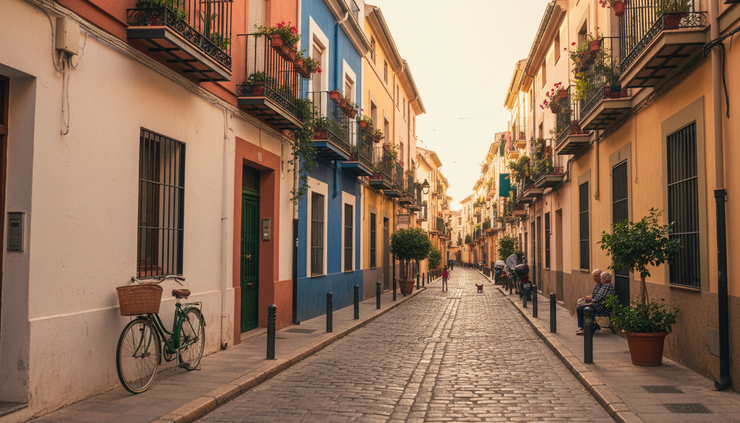
Estonia is ideal for digitally minded nomads
Estonia was one of the earlier European countries to build a clear identity around digital life, remote work, and online public services. Its digital nomad scheme appeals to people who value clarity, efficiency, and a smaller, quieter European base.
Key benefits
Strong reputation for digital services
Calm cities and a practical pace of life
Access to the Baltic region
Good fit for tech workers and founders
Less crowded than many southern European hotspots
Common requirements
Remote workers usually need to prove location-independent work, sufficient income, and valid insurance. The programme is designed for people whose work does not rely on entering the local labour market.
Best places to base yourself
Tallinn is the obvious choice. It combines a medieval centre with a modern tech scene, good cafés, and ferry access to Helsinki. Tartu, Estonia’s university city, offers a gentler pace and plenty of intellectual energy. Pärnu is better for summer coastal living than year-round buzz.
Tips for settling in
Prepare for seasonal contrast. Summer can feel full of light and outdoor life, while winter is dark and cold. Build routines that suit both: gyms, saunas, language basics, and local events. Estonia is a good choice for focused work, but less ideal if you need constant big-city stimulation.
Croatia gives remote workers Adriatic living without rushing
Croatia’s digital nomad residence option has attracted people who want longer stays along the Adriatic without bouncing between border runs. The country is especially appealing if your ideal day includes sea air, old stone streets, fresh food, and a slower pace outside peak tourist months.
Key benefits
Beautiful coastline and islands
Relaxed lifestyle outside high season
Strong appeal for nature lovers
Good base for exploring the Balkans and Central Europe
Growing remote worker community in several cities
Common requirements
Applicants usually need to show remote work for non-Croatian clients or employers, sufficient funds or income, health insurance, and accommodation. Local registration steps may apply after arrival.
Best places to base yourself
Split is popular for its mix of history, ferries, cafés, and coastal access. Zagreb is better for year-round city life, culture, and lower seasonality. Dubrovnik is stunning but can feel expensive and tourist-heavy. Zadar and Rijeka offer coastal living with a more everyday feel.
A frequent lesson from Croatia-based nomads is to avoid judging the country only by July and August. Outside peak season, the same places can feel calmer, cheaper, and much easier to live in.
Tips for settling in
Check winter life before picking an island. Some islands become very quiet, with fewer services and transport links. If you need frequent flights, base yourself near Zagreb, Split, or Zadar. Learn a few Croatian phrases, especially for shops, greetings, and local paperwork.
Greece is a strong choice for sun, islands, and slower living
Greece offers a compelling mix for remote workers: warm weather, island and mainland options, strong food culture, and a relaxed daily pace. Its remote work route has drawn interest from people who want more than a summer holiday.
Key benefits
Excellent climate for much of the year
Historic cities and island bases
Strong café culture
Affordable options away from tourist hotspots
Good access to outdoor living
Common requirements
Applicants generally need proof of remote work, income above the required threshold, health insurance, and standard identification and background documents. Family members may be included under certain conditions, depending on current rules.
Best places to base yourself
Athens is best for flights, culture, nightlife, and year-round services. Thessaloniki offers a smaller city feel with good food and a student-friendly atmosphere. Crete works well for longer stays because it has larger towns, nature, beaches, and more year-round infrastructure than many smaller islands. Rhodes and Corfu can also suit remote workers who plan around the seasons.
Tips for settling in
Do not choose an island purely from holiday photos. Ask about winter transport, heating, internet stability, and medical access. Greece rewards people who slow down, shop locally, and accept that some admin tasks take time.
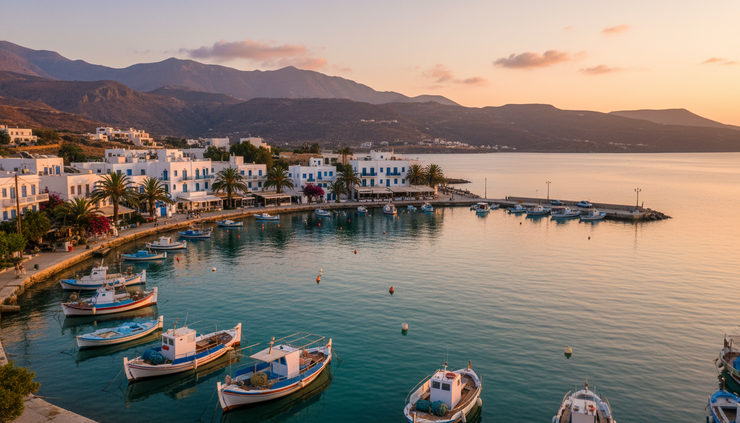
Malta suits nomads who want sunshine and English-speaking ease
Malta’s remote work option appeals to people who want Mediterranean living with English widely used in daily life. The country is compact, sunny, and well connected for its size, making it easy to settle quickly.
Key benefits
English is an official language
Warm climate and sea access
Compact island with short travel distances
Active expat and remote worker circles
Good fit for people who want minimal language barriers
Common requirements
Applicants usually need to work remotely for an employer, clients, or business outside Malta, meet income rules, hold health insurance, and provide accommodation details.
Best places to base yourself
Sliema and St Julian’s suit people who want cafés, nightlife, and services nearby. Valletta is beautiful and cultural, though smaller and pricier. Gżira can be practical for access. Gozo offers a quieter, more rural feel and may suit writers, designers, and anyone who wants fewer distractions.
Tips for settling in
Think carefully about noise, heat, and density. Malta is small, and some areas feel busy. If you plan to stay through summer, check air conditioning and shade. If you prefer quiet, Gozo or less central neighbourhoods may be a better fit than the busiest harbour areas.
Italy is best for culture-rich slow living
Italy’s remote work options have become more interesting to non-EU remote workers who want a legal route to live in the country while earning from abroad. The appeal is obvious: regional food, art, trains, landscapes, and a strong sense of place.
Key benefits
Huge variety between regions
Rich cultural life
Strong rail network in many areas
Excellent food and local markets
Good fit for slow travel and language learning
Common requirements
Applicants should expect to show remote work, suitable income, health cover, accommodation, and clean background documents. Italy can be paperwork-heavy, and local processes may vary by area.
Best places to base yourself
Milan is useful for flights, design, and international links, but it is expensive. Bologna is lively, walkable, and well connected by train. Turin offers elegance, mountains nearby, and better value than Milan. Florence is beautiful but tourist-heavy. Palermo, Bari, and Lecce suit people drawn to southern life and warmer weather.
Tips for settling in
Learn basic Italian early. It changes the experience completely. Choose your region based on daily life, not only famous sights. A month in a smaller city can feel richer than a year spent only in tourist zones. Expect admin to require patience, printed documents, and follow-up visits.
Cyprus is appealing for warmth and a simpler pace
Cyprus offers sunshine, beaches, English widely spoken, and a slower daily rhythm. Its remote work route can suit people who want Mediterranean life without the intensity of larger European cities.
Key benefits
Warm climate and long outdoor season
English commonly used
Good beach access
Lower-key pace than many remote work hubs
Attractive for people who prefer smaller communities
Common requirements
Applicants usually need to prove foreign remote work, income or funds, health insurance, and accommodation. Rules can differ based on nationality and status, so confirm the details before planning a move.
Best places to base yourself
Limassol has the most international feel, with seafront living and more services. Nicosia offers city life away from the coast and may suit people who want culture and year-round routine. Larnaca is practical for airport access and an easier pace. Paphos appeals to people who want beaches, walks, and a strong international resident community.
Tips for settling in
A car can make life much easier, especially outside central areas. Summer heat can be intense, so check cooling, insulation, and walkability before renting. Cyprus suits people who enjoy routine, sea swims, and a smaller social circle.

How to choose the right country for your remote work year
A good choice starts with your workday, not your fantasy weekend. Before applying anywhere, answer these questions honestly:
Do you need quiet mornings for calls with the UK or US?
Will you rely on public transport?
Can you handle extreme heat, cold, or dark winters?
Do you want a large nomad community or local immersion?
How often do you need international flights?
Are you prepared for tax advice and local paperwork?
Would you still enjoy the place on a Tuesday in February?
The strongest option for many first-timers is Portugal or Spain, simply because both offer established communities, varied locations, and strong transport links. For focused work and digital systems, Estonia stands out. For coastline and seasonal calm, Croatia and Greece are hard to beat. For English-speaking ease, Malta and Cyprus make settling in simpler. For culture and slow living, Italy can be unforgettable if you are ready for admin.
Practical tips for thriving after approval
Getting permission to stay is only step one. The quality of the experience comes from how you live once you arrive.
Stay in temporary housing first
Give yourself two to four weeks before signing anything longer. Walk the neighbourhood at night, test the internet, check noise, and see how far you really are from food shops and transport.
Treat tax as a real task
A remote work permit does not automatically make your tax position simple. Speak with a qualified tax adviser who understands your home country and your destination.
Build a local routine fast
Join a gym, language class, walking group, climbing wall, or volunteer project. Coworking spaces can be useful, but they should not be your only link to the place.
Learn the first 50 words
You do not need fluency to show respect. Greetings, numbers, food words, and polite phrases make daily life warmer.
Travel slowly
The biggest benefit of a longer stay is not ticking off ten countries. It is having a favourite baker, recognising neighbours, and knowing which beach, park, or square feels right after a hard workday.

The best European nomad country is the one that fits your ordinary life
Europe now offers several credible paths for remote workers who want more than a short stay. Portugal and Spain are the safest bets for community and convenience. Estonia suits focused digital workers. Croatia, Greece, Malta, Italy, and Cyprus each offer their own blend of climate, culture, and pace.
The real test is simple: choose the country where your average working week would feel healthier, easier, and more interesting. Get the paperwork right, stay flexible at the start, and build a life that goes beyond laptop views and weekend trips. That is where the remote work dream starts to feel real.



Comments