

Why Albania Is the New Travel Hot Spot and How to Get There and What to Do
Albania has moved from “where exactly is that?” to one of Europe’s most talked-about trips. It offers clear Ionian water, mountain trails, Ottoman towns, Roman ruins, lively cafés, and prices that can still feel gentle compared with better-known Mediterranean neighbours.
The appeal is simple. Albania gives you the feeling of discovery without requiring a complicated expedition. You can swim in coves that look made for postcards, hike in the Accursed Mountains, wander UNESCO-listed stone cities, and eat grilled seafood by the sea, often in the same week.
It is no longer a hidden gem, and that phrase gets tired quickly anyway. Albania is now a proper travel destination, with more flights, more boutique stays, and more visitors each year. The trick is knowing where to go, how to move around, and how to balance the coast with the country’s quieter inland highlights.
Why Albania is suddenly everywhere
Albania sits between Montenegro, Kosovo, North Macedonia and Greece, with a long Adriatic and Ionian coastline facing Italy. That position has always made it interesting. What has changed is access, word of mouth, and the rising cost of travel elsewhere in Europe.
For years, many travellers skipped Albania in favour of Croatia, Greece or Italy. Now people are looking for places that still feel fresh but are easy enough to plan. Albania fits that gap.
A few things explain the rise.
The coast is genuinely beautiful.
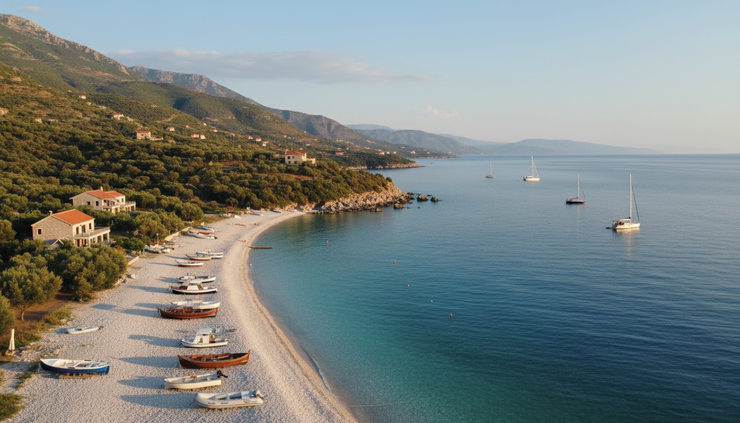
The Albanian Riviera, especially around Dhërmi, Himarë, Jale, Gjipe and Ksamil, has bright water, steep hills and a mix of beach clubs, simple guesthouses and family-run tavernas.
The country is varied for its size.
A trip can include beaches, alpine villages, lakes, castles, Ottoman-era streets and city nightlife. You do not need weeks to see real contrast.
It still offers good value.
Albania is not as cheap as it was a decade ago, especially in popular coastal spots in July and August. Even so, food, accommodation and local transport can cost less than in many Western European beach destinations.
It feels culturally rich.
Albanian food, music, language and traditions have their own clear identity, shaped by Balkan, Ottoman, Mediterranean and Italian influences. This is not a copy of somewhere else.
Tourism is growing fast.
That brings better hotels, more restaurants and easier routes. It also means the most famous places are busier than older travel blogs may suggest. Go with an open mind, not a fantasy of empty beaches in high season.
How to get to Albania
Most visitors arrive by air, ferry or overland from nearby Balkan countries. The best route depends on whether the trip is mainly about the coast, the mountains, or a wider Balkan itinerary.
Fly into Tirana
Tirana International Airport is Albania’s main airport and the easiest entry point for most travellers. It has direct and connecting routes from many European cities, with more seasonal flights in summer.
From the airport, Tirana city centre is usually reached by shuttle bus, taxi or private transfer. If the first stop is the coast, many travellers hire a car at the airport and drive south.
Tirana is worth at least one night rather than treating it only as a transit point. The city has colourful buildings, busy cafés, museums, markets, and a relaxed evening scene around Blloku and the central square.
Take a ferry from Italy or Corfu
Ferries connect Albania with Italy, including routes to Durrës and Vlorë, depending on the season and operator. These can suit travellers combining Albania with southern Italy.
For the south coast, one of the easiest options is the ferry from Corfu to Sarandë. It is especially useful if you want to start with Ksamil, Butrint or the Riviera rather than Tirana. Schedules vary by season, so check times before building a tight itinerary around it.
Travel overland from neighbouring countries
Albania works well as part of a Balkan route. Common overland links include:
Montenegro to Shkodër or Tirana
Kosovo to northern Albania or Tirana
North Macedonia to Lake Ohrid, Pogradec or Tirana
Greece to Gjirokastër, Sarandë or Korçë
Buses and minibuses connect many cities, though timetables can be less tidy than in countries with large rail networks. If timing matters, ask locally, confirm the day before, and avoid assuming that every route runs frequently outside summer.
Do you need a visa?
Many travellers, including visitors from the UK and much of Europe, can enter Albania visa-free for short stays. Rules can change, so check official travel advice before booking, especially if planning a longer trip or entering overland.
Your passport should be valid for the required period, and you may be asked about onward travel or accommodation. These checks are usually straightforward, but it is better to be prepared.

When to go for the best experience
Albania has a clear summer beach season, but the best month depends on the kind of trip.
May and June are excellent for warm weather, spring colour and fewer crowds. The sea may still feel cool in May, but the country is pleasant for walking, sightseeing and driving.
July and August bring hot weather and the busiest beaches. This is when coastal towns have the most energy, but accommodation prices rise and traffic can slow around popular resorts.
September is one of the best months overall. The sea is warm, many summer services still run, and the worst of the heat has passed.
October can be lovely for culture, food and inland travel. Beach weather becomes less reliable, but the main historic towns are calmer.
For the mountains, summer into early autumn is the main hiking window. In northern areas such as Theth and Valbona, snow and weather can affect access outside the warmer months.
The best places to visit in Albania
Albania rewards a mixed itinerary. The coast is the headline, but the inland towns and mountains often become the parts people remember most.
Tirana is more fun than many expect
Tirana is a city of cafés, painted buildings, wide squares and layered history. Start around Skanderbeg Square, then visit the National History Museum if open, the Et’hem Bey Mosque, and the nearby clock tower.
Bunk’Art and Bunk’Art 2, both set in former bunkers, offer a look at Albania’s communist period. They are serious places, so leave time to take them in rather than treating them as quick photo stops.
In the evening, head to Blloku for bars and restaurants. The area was once reserved for the political elite. Today it is one of the city’s liveliest neighbourhoods.
Berat is the city of windows
Berat is one of Albania’s UNESCO-listed cities and one of the easiest places to love. Its white Ottoman houses climb the hillside, giving it the nickname “the city of a thousand windows”.
The citadel is still inhabited, which makes it more atmospheric than a simple ruin. Walk slowly through its stone lanes, visit churches and viewpoints, then cross the river to see the old neighbourhoods from a distance.
Berat also works well for food and wine. The surrounding region has vineyards, olive oil and hearty local cooking. It is a good place to slow the pace.
Gjirokastër feels like a stone storybook
Gjirokastër, another UNESCO-listed city, has steep lanes, slate-roofed houses and a large castle overlooking the valley. It feels more rugged than Berat, with dramatic views and a strong sense of history.
Visit the castle, then explore traditional houses such as the Skenduli House or Zekate House when open. The old bazaar area is touristy in parts, but still enjoyable, especially early or late in the day.
Gjirokastër is also a strong base for the Blue Eye spring, though access and visitor rules can change. Expect a popular stop rather than a lonely natural pool.
The Albanian Riviera is the big draw
The southern coast is where many first-time visitors focus. The road from Vlorë over the Llogara Pass towards Dhërmi and Himarë is one of the country’s classic drives, with mountain views dropping towards the Ionian Sea.
Popular coastal stops include:
Dhërmi
Good for beach clubs, clear water and a more polished summer feel.
Himarë
A relaxed base with beaches nearby, plenty of places to eat, and easier access to smaller coves.
Gjipe Beach
A dramatic beach reached by boat or a walk from the road. Bring water and sensible shoes if walking.
Porto Palermo
Known for its small peninsula and fortress, with attractive views along the coast.
Sarandë
A busy seaside city that works as a practical base for Ksamil, Butrint and the Corfu ferry.
Ksamil
Famous for pale sand, small islands and bright water. It is beautiful, but very busy in peak summer.
For a better coastal trip, resist the urge to change towns every night. Pick one or two bases, then explore from there.

Butrint brings ancient history to the south
Butrint National Park, near Ksamil, is one of Albania’s most important archaeological sites and a UNESCO World Heritage Site. The ruins include layers from Greek, Roman, Byzantine and Venetian periods, set in a green, watery landscape.
Go early if visiting in summer. The site is much more enjoyable before the day gets too hot and before larger groups arrive. Wear comfortable shoes and bring water.
Theth and Valbona show Albania’s wild side
Northern Albania is a different world from the coast. Theth and Valbona sit in the Albanian Alps, also known as the Accursed Mountains, where sharp peaks, stone houses and clear rivers define the view.
The hike between Valbona and Theth is one of the country’s best-known walking routes. It is a proper mountain hike, so check conditions, carry suitable gear, and do not treat it like a casual city walk.
Theth itself has become more popular, with guesthouses and tours growing in number. Even so, the setting is spectacular. Visit the church, the lock-in tower, and the Blue Eye of Theth if conditions and time allow.
Lake Ohrid and Korçë are quieter choices
For a gentler inland route, head east. Lake Ohrid, shared with North Macedonia, offers calm water, lakeside towns and a slower rhythm. Pogradec is a pleasant base on the Albanian side.
Korçë is known for its old bazaar, beer culture, churches, museums and cooler climate. It suits travellers who want Albania beyond the standard coast-and-Tirana route.
How to get around once you arrive
Albania is not difficult to travel in, but it does reward patience. Roads range from smooth highways to narrow mountain routes, and public transport can be informal.
Renting a car gives the most freedom
A car is the easiest way to explore the Riviera, mountain viewpoints, villages and historic towns on your own schedule. It helps if you want to stop at beaches outside town centres or combine Berat, Gjirokastër and the coast.
Driving requires care. Expect bends, livestock, slow vehicles, fast overtakes and roads that change quality quickly. In Tirana, traffic can feel chaotic to visitors. Outside the capital, the main challenge is mountain driving and local road habits.
If hiring a car, check:
Whether insurance covers gravel or mountain roads
Whether you can take the car across borders
Where parking is available at hotels
Whether the gearbox is manual or automatic
What documents are required for your licence
Buses and furgons are budget-friendly
Buses and minibuses, often called furgons, connect many towns. They are affordable and useful on common routes, such as Tirana to Berat, Tirana to Gjirokastër, or Sarandë to nearby areas.
The downside is flexibility. Departure points can vary, schedules may be limited, and routes can take longer than expected. Ask guesthouses for current advice. Local knowledge beats old timetable screenshots.
Taxis and transfers can save time
Private transfers cost more than buses but can make sense for awkward routes, late arrivals, or groups splitting the fare. They are also useful when moving between the airport and coastal towns.
Agree the price in advance, or use a reputable taxi app or company where available. For short rides, cash is often useful.
What to eat and drink in Albania
Albanian food is one of the pleasures of the trip. It is generous, seasonal and often simple in the best way.
On the coast, expect grilled fish, calamari, mussels, prawns and salads with tomatoes, cucumber, olives and white cheese. Inland, look for slow-cooked lamb, stuffed peppers, pies, soups and stews.
Try these if you see them:
Byrek, a flaky pastry filled with cheese, spinach, meat or onion
Tavë kosi, baked lamb and rice with yoghurt
Fërgesë, a rich dish often made with peppers, tomatoes and cheese
Qofte, seasoned meatballs or patties
Trileçe, a soft milk-soaked cake
Coffee matters in Albania. Cafés are part of daily life, and sitting over an espresso is as much a social habit as a caffeine stop. Local wine and raki are also common, especially in family-run restaurants and guesthouses.
A simple 7-day Albania itinerary
A week is enough for a first taste, though not enough for everything. This route balances city, culture and coast without rushing too hard.
Day | Plan |
1 | Arrive in Tirana, explore Skanderbeg Square and Blloku |
2 | Travel to Berat, visit the castle and old quarters |
3 | Continue to Gjirokastër, explore the castle and bazaar |
4 | Drive or transfer to Himarë via the Riviera route |
5 | Relax around Himarë, visit Gjipe or nearby beaches |
6 | Head to Sarandë or Ksamil, visit Butrint |
7 | Return to Tirana, or ferry to Corfu if the route fits |
If hiking is the priority, swap the coast for Shkodër, Theth and Valbona. If beaches are the priority, spend fewer nights inland and more time around Himarë rather than trying to see the whole coastline.

Practical tips before you go
Albania is welcoming and increasingly easy to visit, but a few small details make the trip smoother.
Carry some cash.
Cards are accepted in many hotels and larger restaurants, but cash remains useful for beaches, parking, guesthouses, small cafés and rural areas. The local currency is the Albanian lek.
Book early for July and August.
The best-value rooms in Himarë, Dhërmi, Ksamil and Sarandë can go quickly. This matters even more if you want parking or sea views.
Do not underestimate driving times.
Distances can look short on a map, but mountain roads and summer traffic slow things down. Build space into the itinerary.
Pack for more than the beach.
Bring swimwear, light clothes, sun protection, comfortable walking shoes, and a layer for mountains or cooler evenings.
Respect local places.
Albania’s popularity brings pressure to beaches, parks and small towns. Take rubbish with you, avoid driving onto fragile areas, and dress modestly when visiting religious sites.
Learn a few words.
Many people in tourism speak English, Italian or Greek, but a simple “faleminderit” for thank you is appreciated.
Is Albania worth visiting now?
Yes, and now is a good time to go. Albania has enough infrastructure to make travel comfortable, but it still feels distinct from Europe’s more polished resort circuits. That balance may not last forever in the busiest places.
The best trip does not chase every famous beach. It mixes the coast with at least one historic town, one slow meal, one mountain or lake view, and a little time in Tirana. That is where Albania becomes more than the next summer trend.
Go for the turquoise water if that is what first caught your eye. Stay open to the castles, cafés, mountain roads and family-run guesthouses. They are what make the journey feel like Albania, not just another beach holiday.


Comments